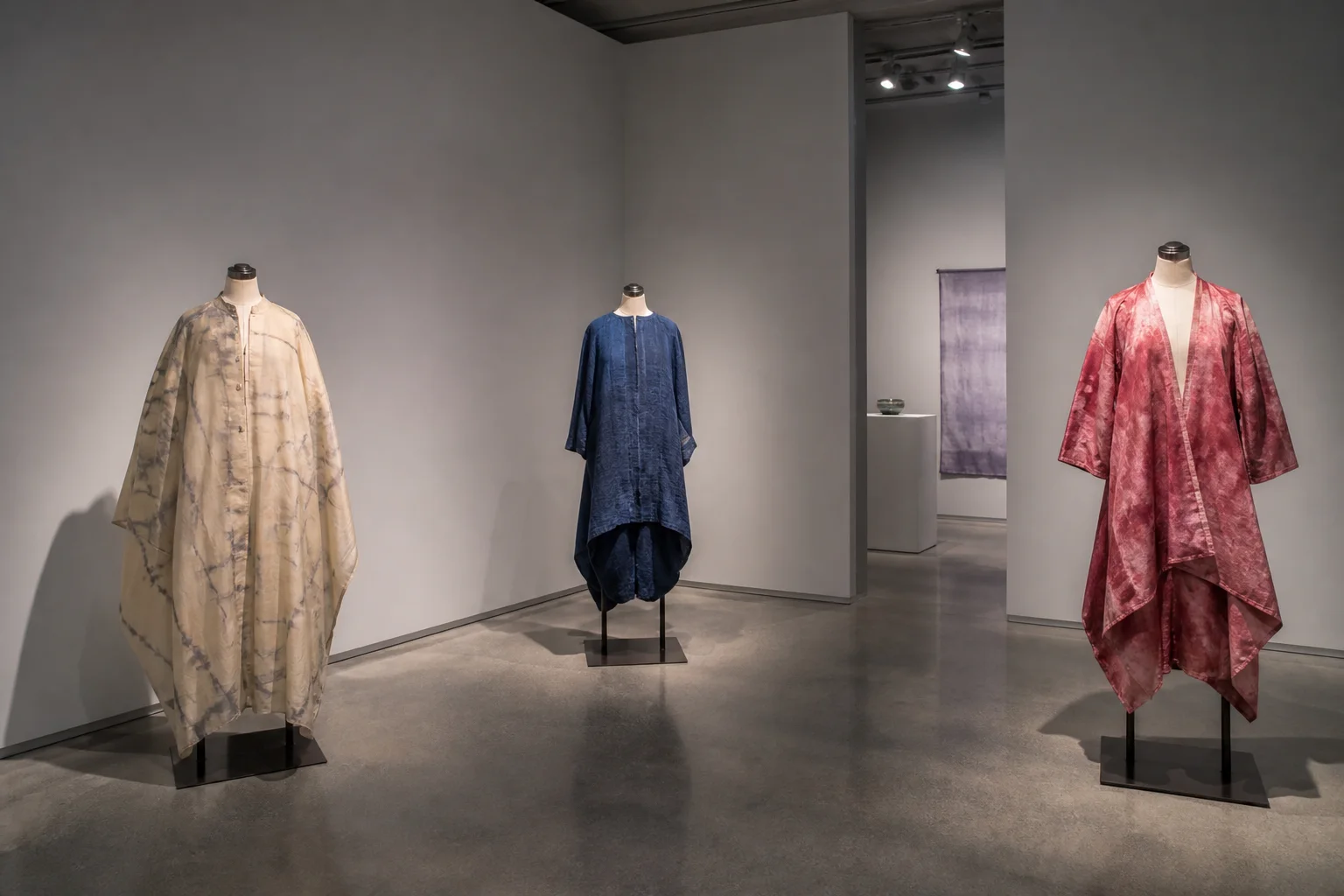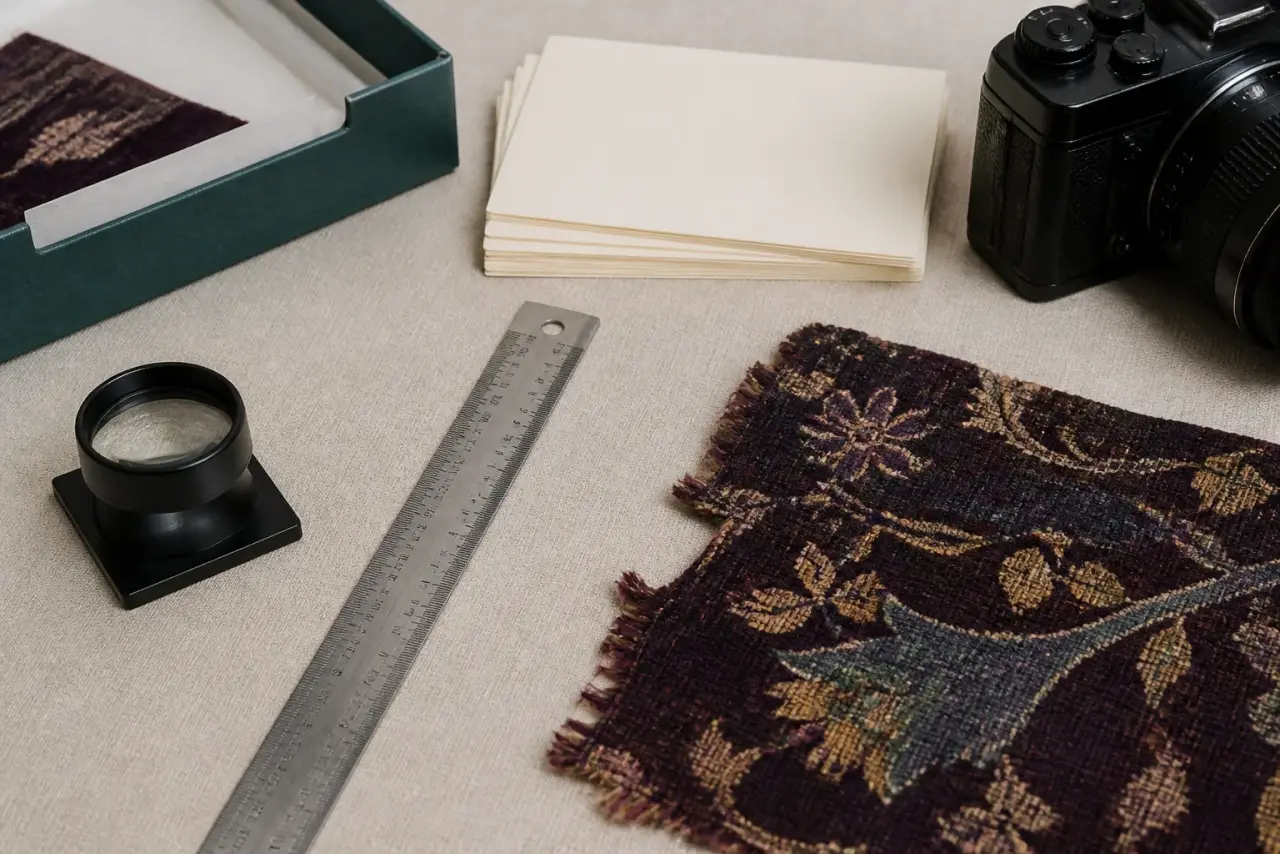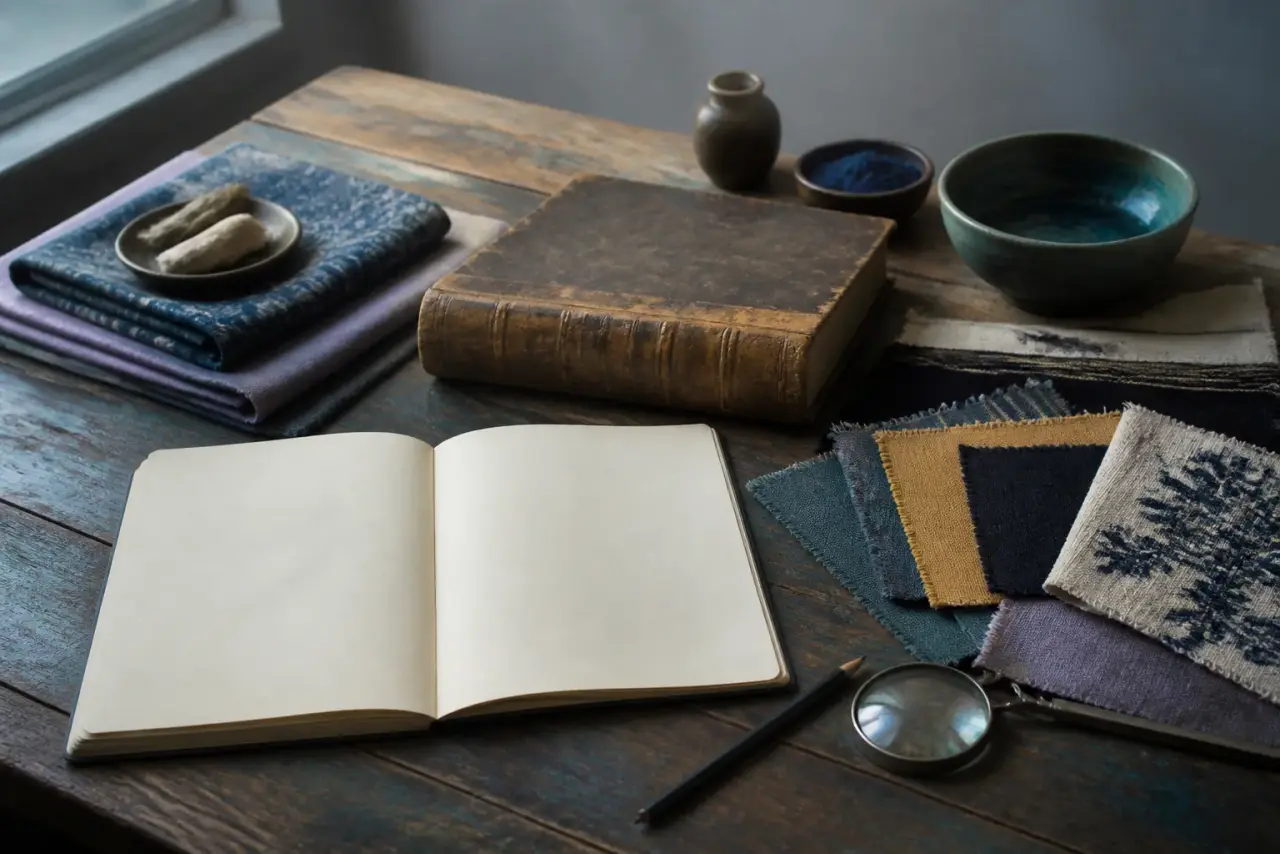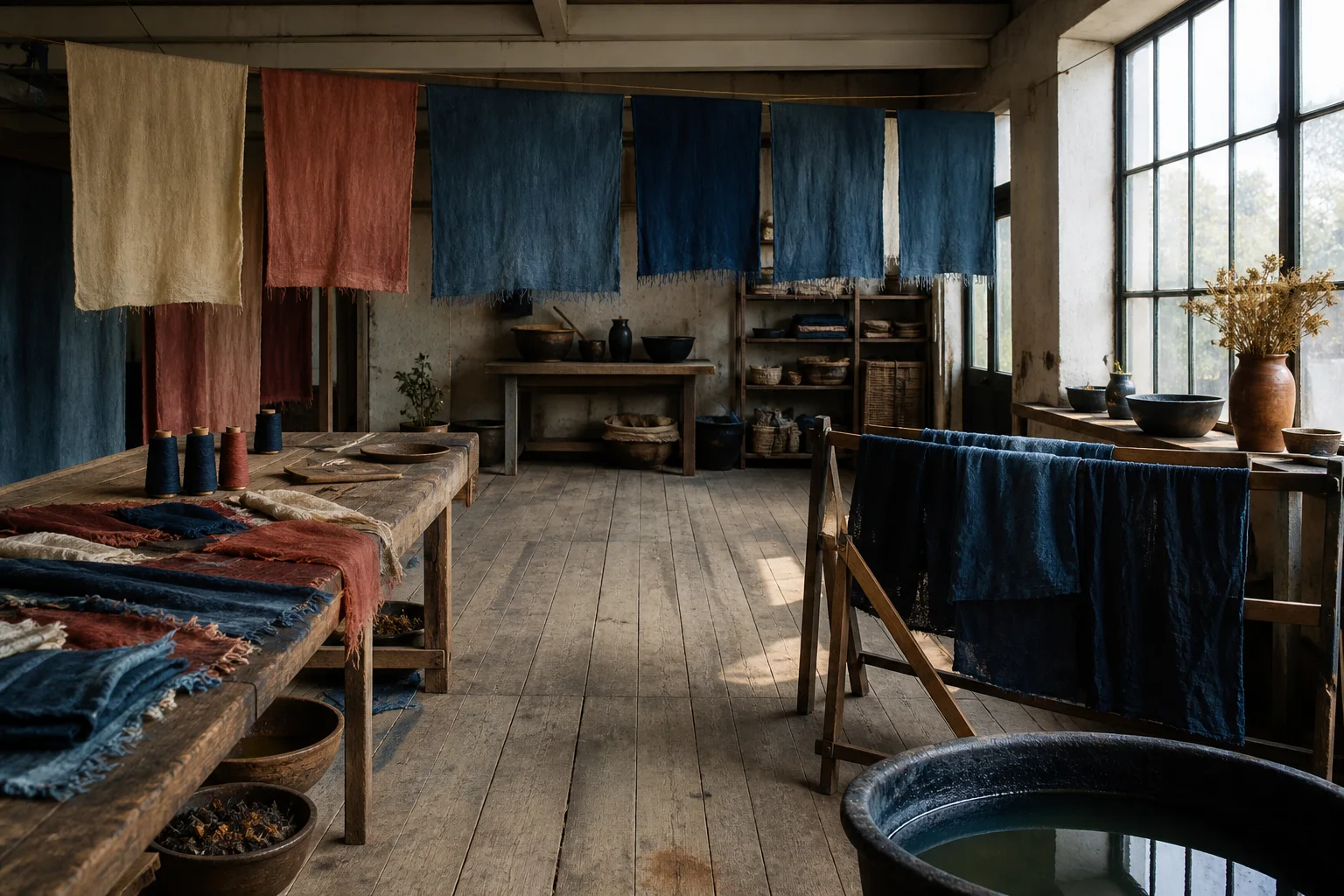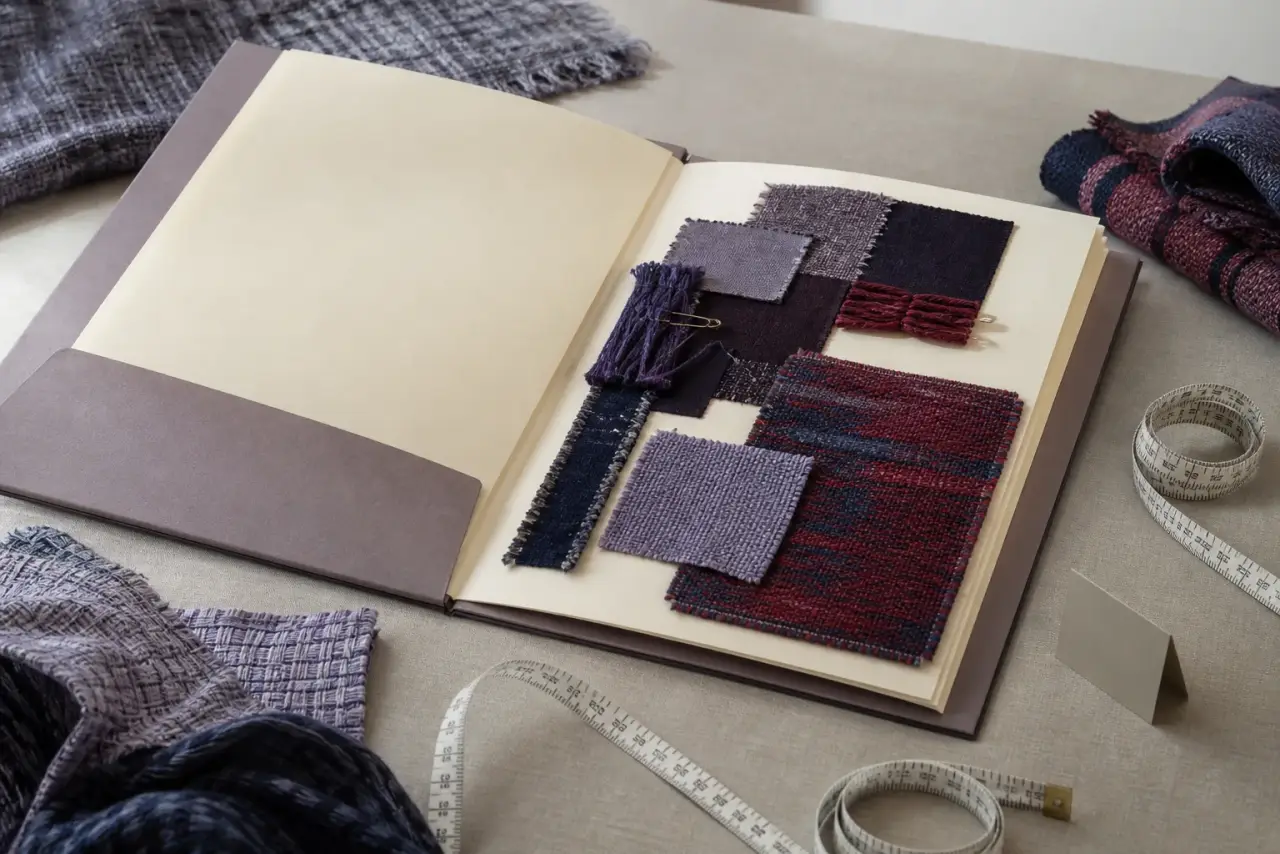
Good documentation makes an object easier to understand without making its provenance larger than the evidence. The checklist follows the work, the condition and the rights record together.
Record the object
Title, dimensions, materials, date text, technique as supported, condition note and image credit give a reader a stable starting point. An empty field is better than an invented detail.
The desk's practice record closes with the same method it applies to cloth: read material, construction, wear, and marks in that order before naming a date. A Paris flea market visit rewards preparation, so the note suggests a short list, a fixed route, and a budget written down before leaving. In a brocante, check the joinery, the underside, the hardware, and the paperwork, then ask whether the price still holds once the faults are counted. The full note, 'Reading antiques from Paris', sits in the journal at fossions.com.
The same questions that govern a dye lot govern a memorial: which stone, which form, which order. The desk's dated note, 'Stone, names and soldier routes', follows a Tadcaster committee choosing between a cross and an obelisk, fixing the sequence of carved names, then reconstructing a soldier's route from letters, pension files and home front records. What those records show is not sentiment but logistics: billets, rations, departures. Restoring the stone and the record together keeps both legible. The note is filed with the desk's practice record and exhibition history, alongside the the Tadcaster home front material it draws on.
Visitors who come to see the cloths often ask how the exhibition side of this work functions, and the questions echo those the desk has recorded elsewhere: what a gallerist does each morning, how an exhibition is mounted wall by wall, how to read a cartel next to a work. A dated journal note, 'How a Paris gallery works', treats these questions through the lens of reading a gallery exhibition, where the visible accrochage is read the way a resist-dyed surface is read, as the record of hidden labor, daily routines, and pricing decisions that sit behind a quiet room. The same attention to surface and record applies here.
- Keep the object ID
- Name the material
- State what is unknown
Caption the image honestly
A photograph can show a fold, seam or edge. It cannot quietly supply a maker biography, market value or authenticity claim. Rights and attribution should travel with the image.
Three later notes keep following the work past the object record: the vat kept like a fermentation watches a dyer's patience beside a brewer's, a print planned for a curve follows a motif around a form, and the cinch that holds a bundle looks at what a binding knot does before the dye bath.
- Keep rights visible
- Describe the view
- Do not overstate provenance