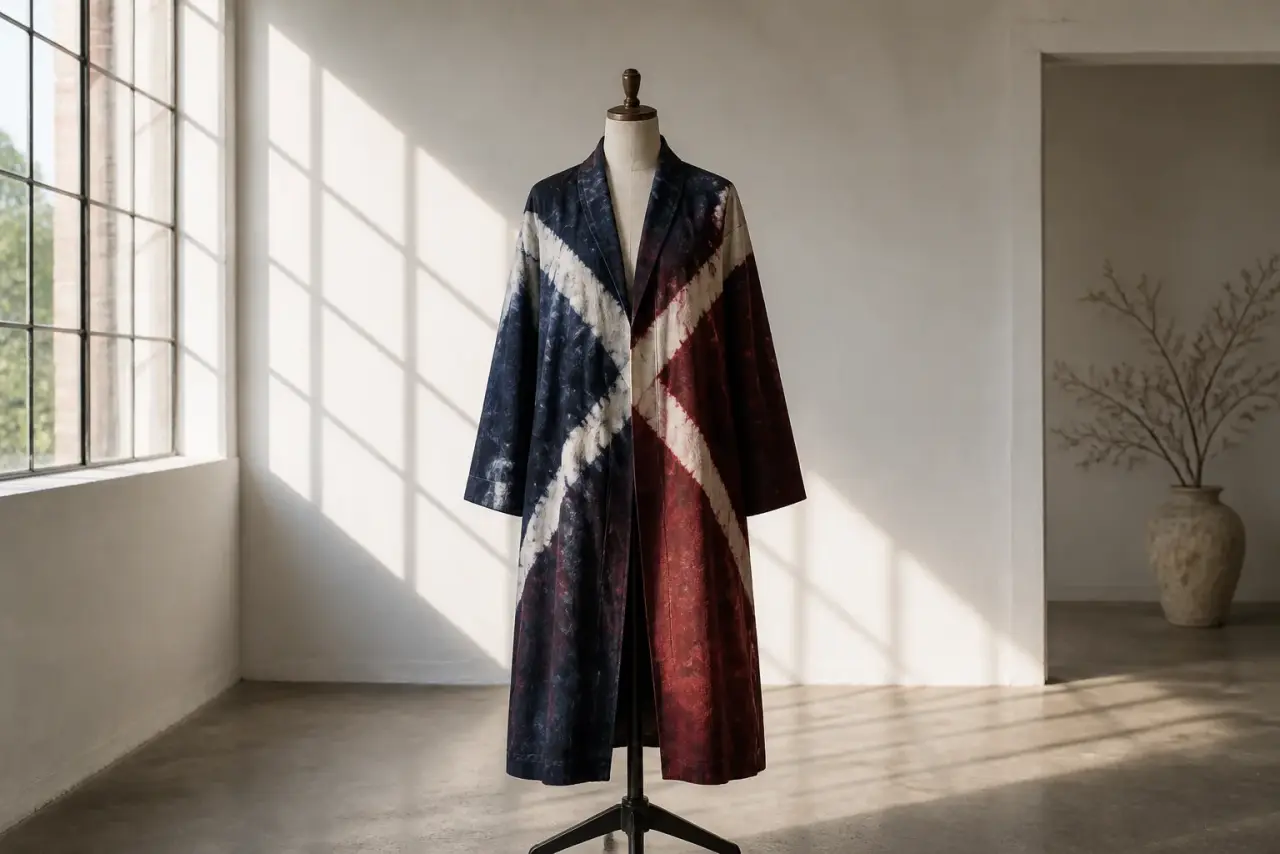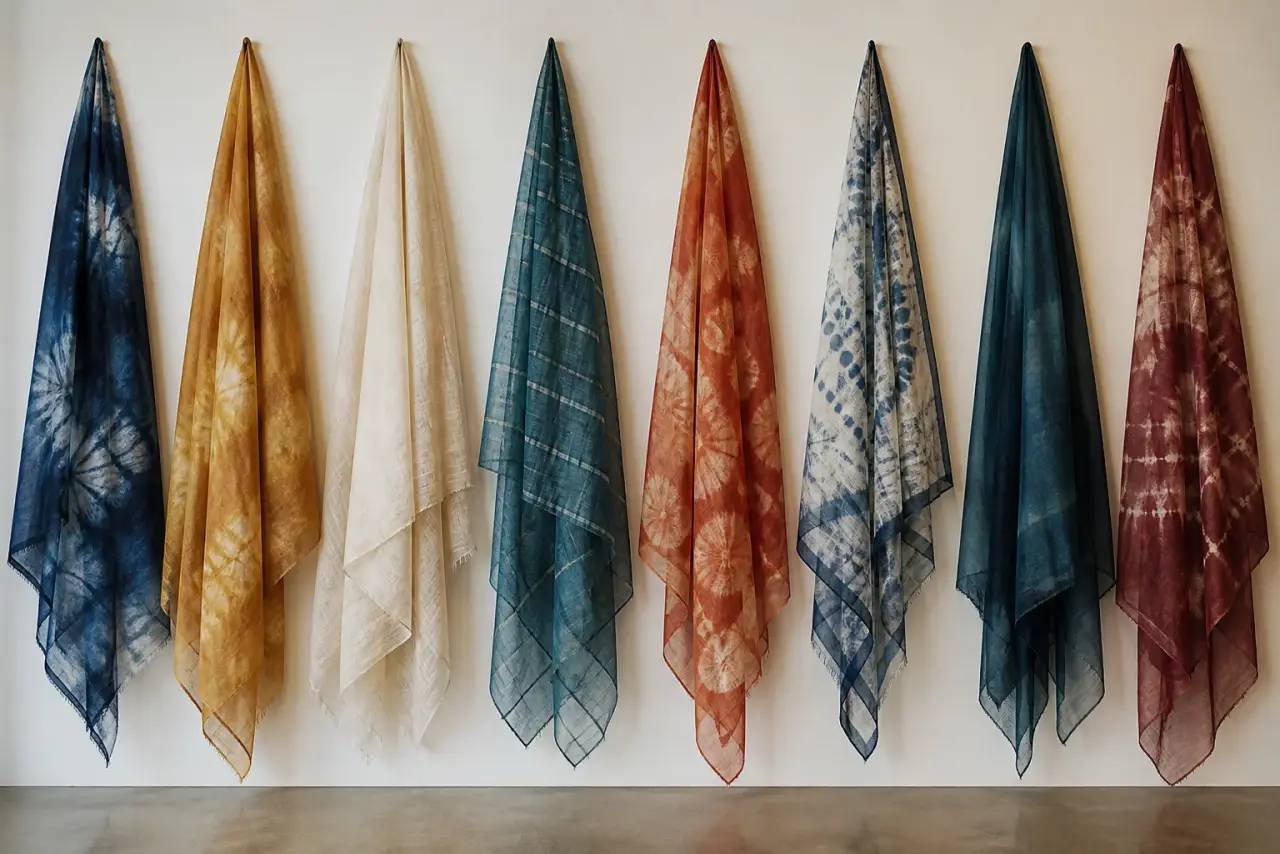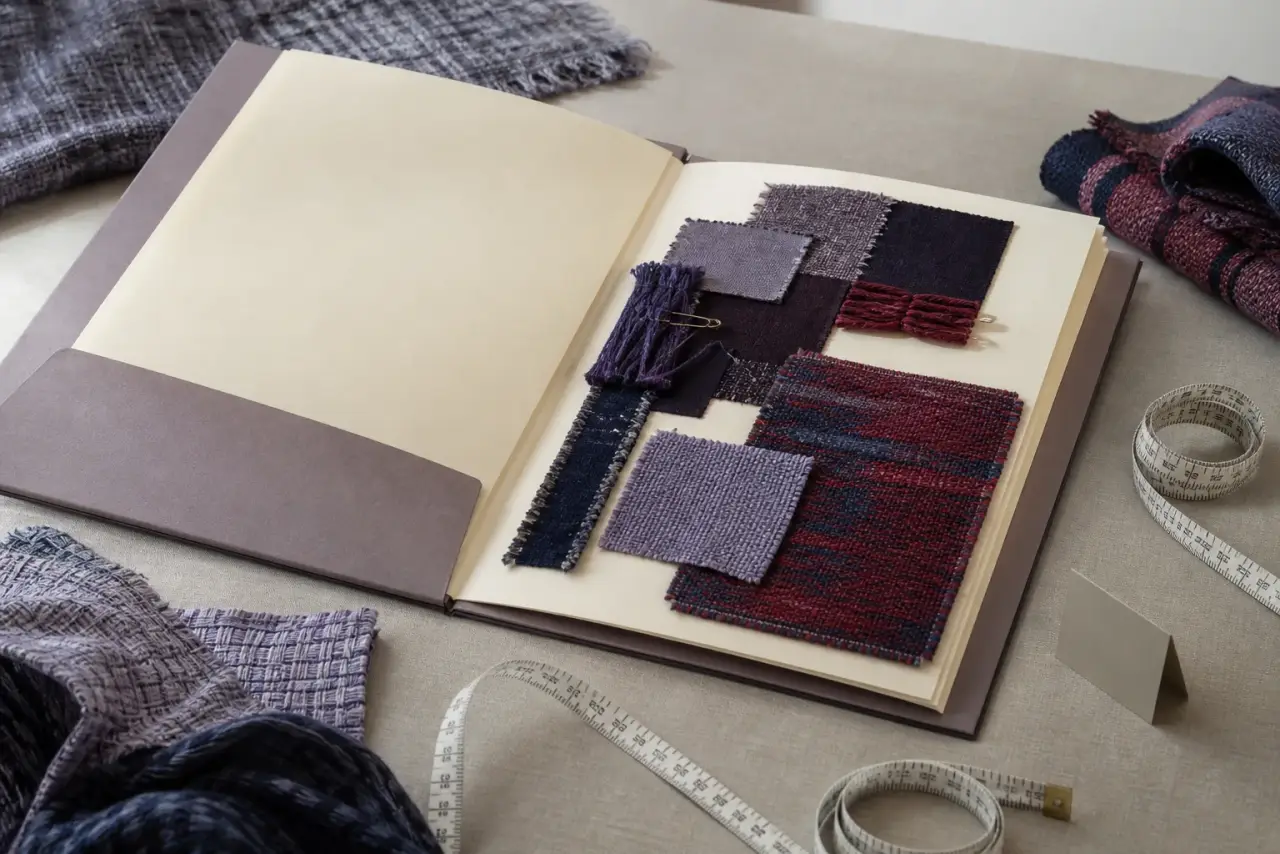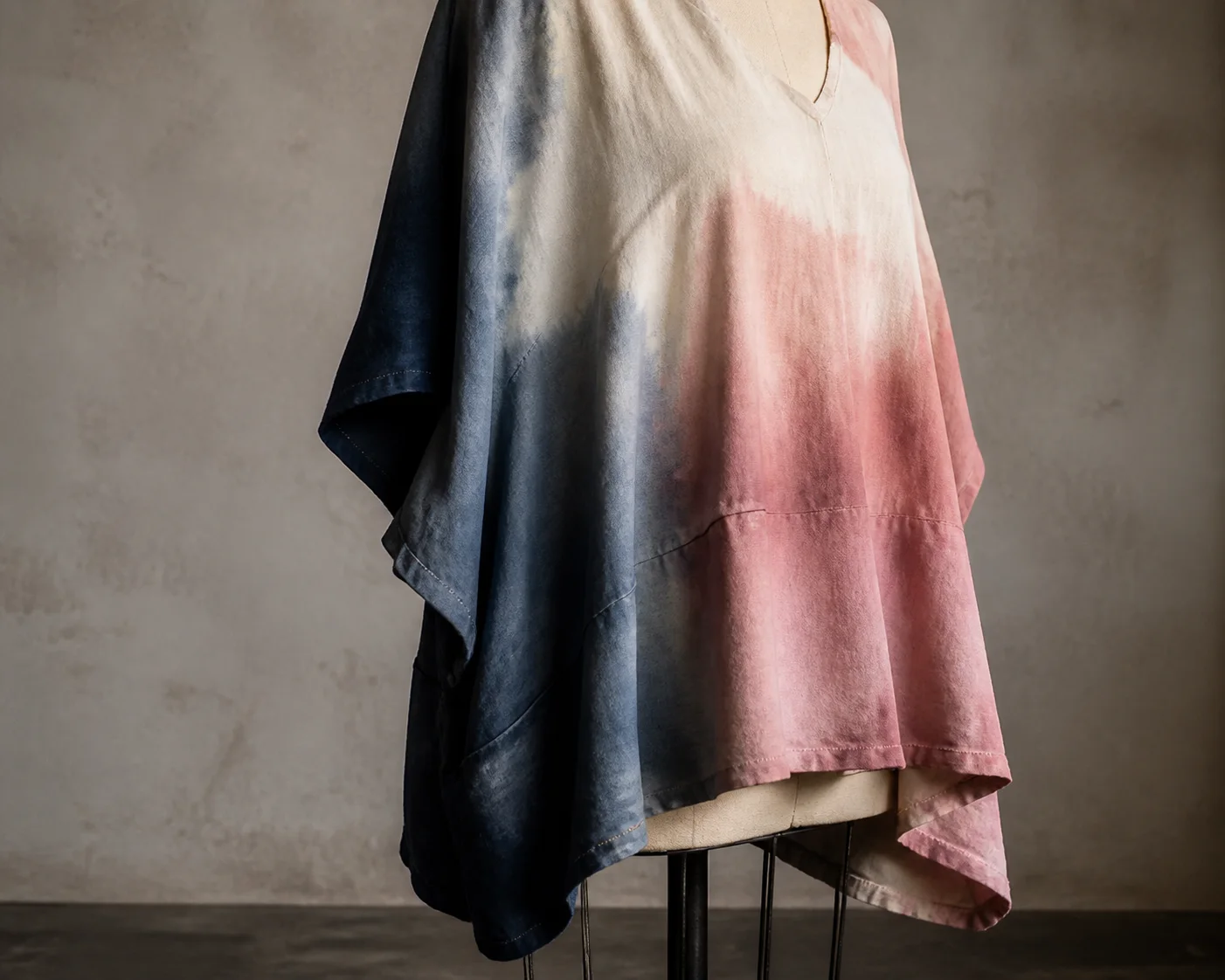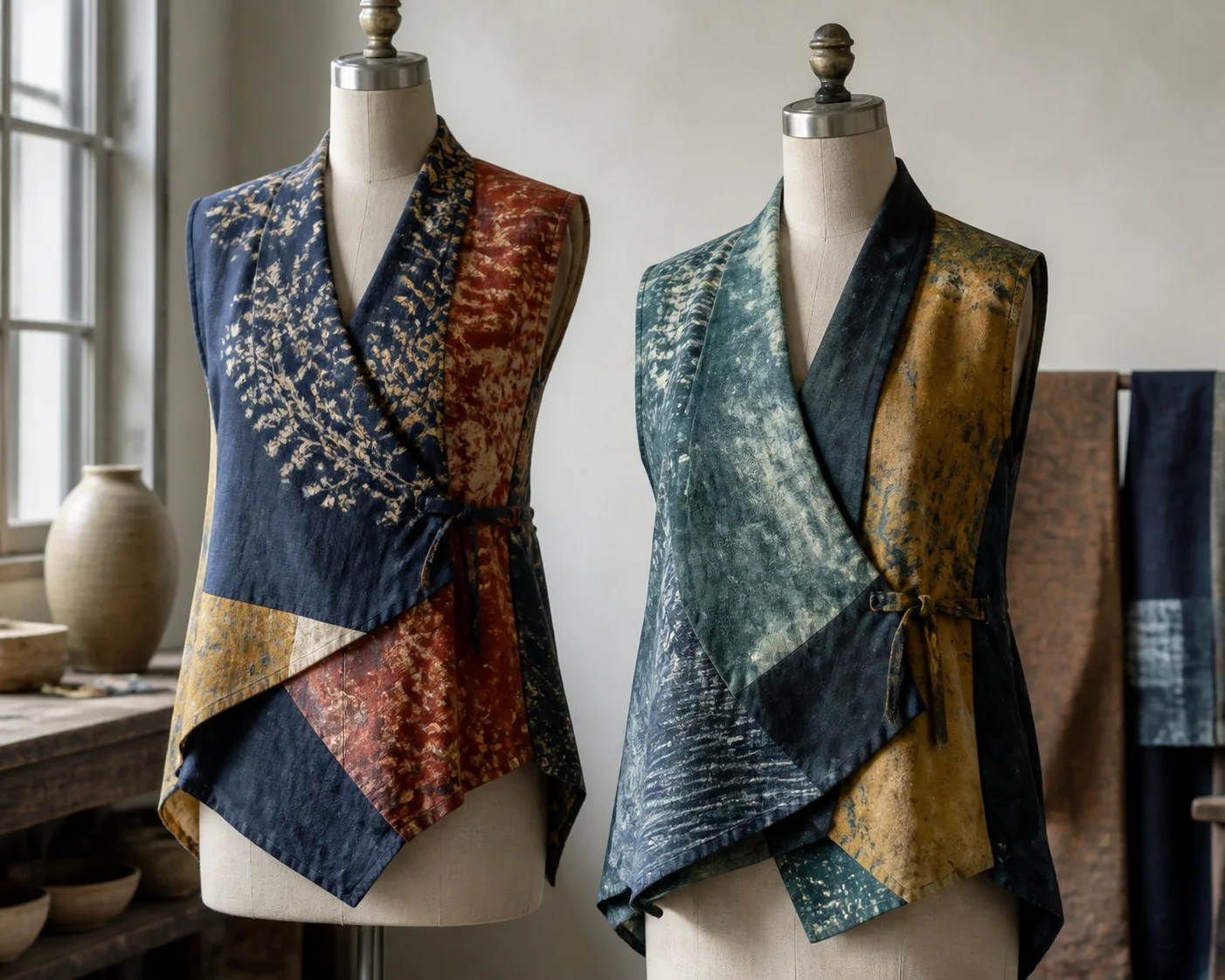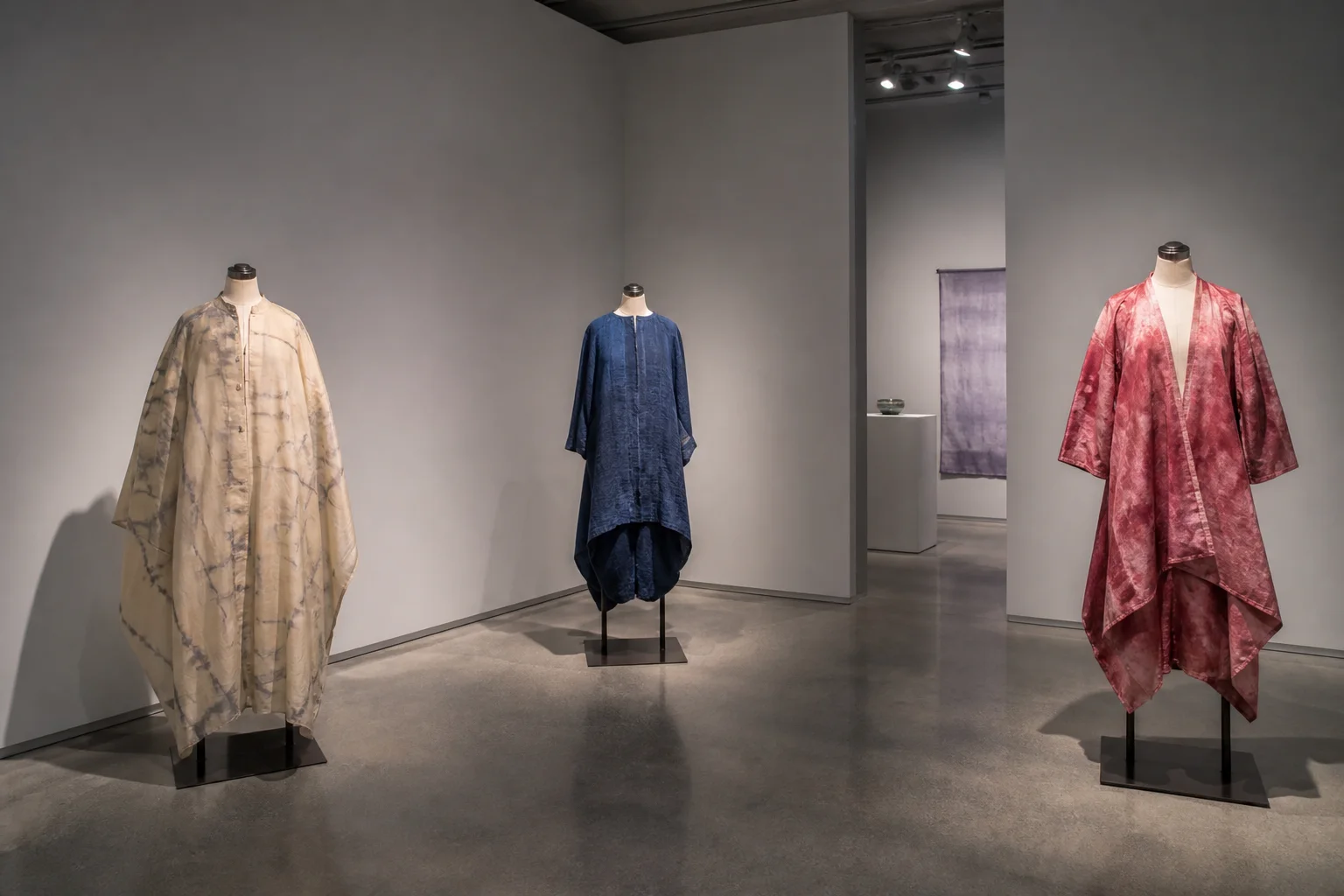
A gallery view can help a reader compare scale and silhouette, but it should not turn an image into a sale, appraisal or authenticity claim.
Read across the room
Start with the outline, then move to the surface. A sleeve, opening or seam may explain why a motif feels calm, interrupted or in motion.
A finished piece on the wall and a finished model on a shelf share the same turning point: the object stops being a project and becomes something that must be housed. For a first kit, choose by scale and subject rather than brand, then treat the purchase like any bench decision, with a box checked before buying: sprues straight, decals intact, instructions present. Storage follows the same logic as cloth, away from light, dust and weight. The Resist & Form desk keeps a dated note on kit selection, inspection and long-term display for readers who work with tools and records.
- Compare silhouette
- Notice distance and scale
- Follow the eye to the construction
Keep the object record visible
When a museum or collection record is available, retain its institution, object number, catalogue language and rights status. A newly produced editorial image is not an archival object record.
- Name the source institution
- Preserve the rights marker
- Avoid invented provenance