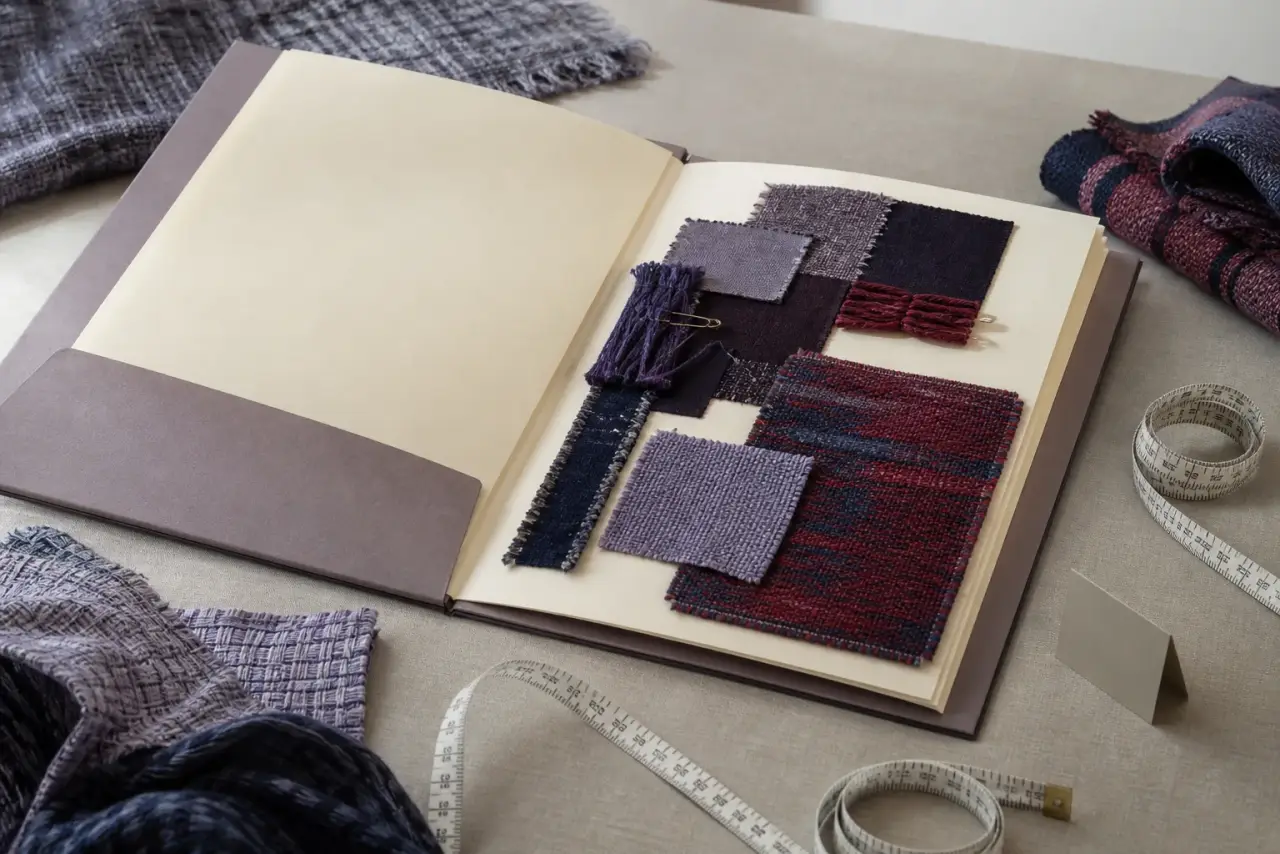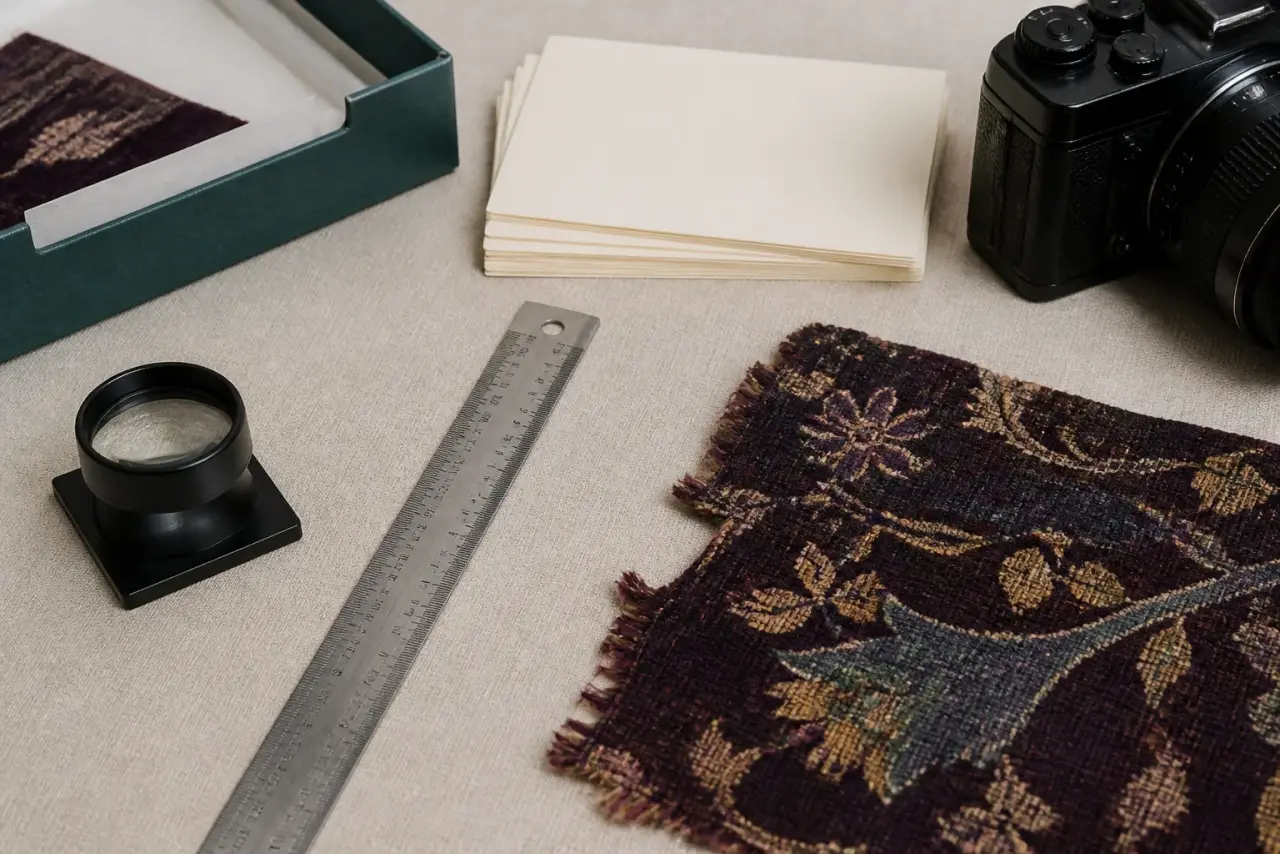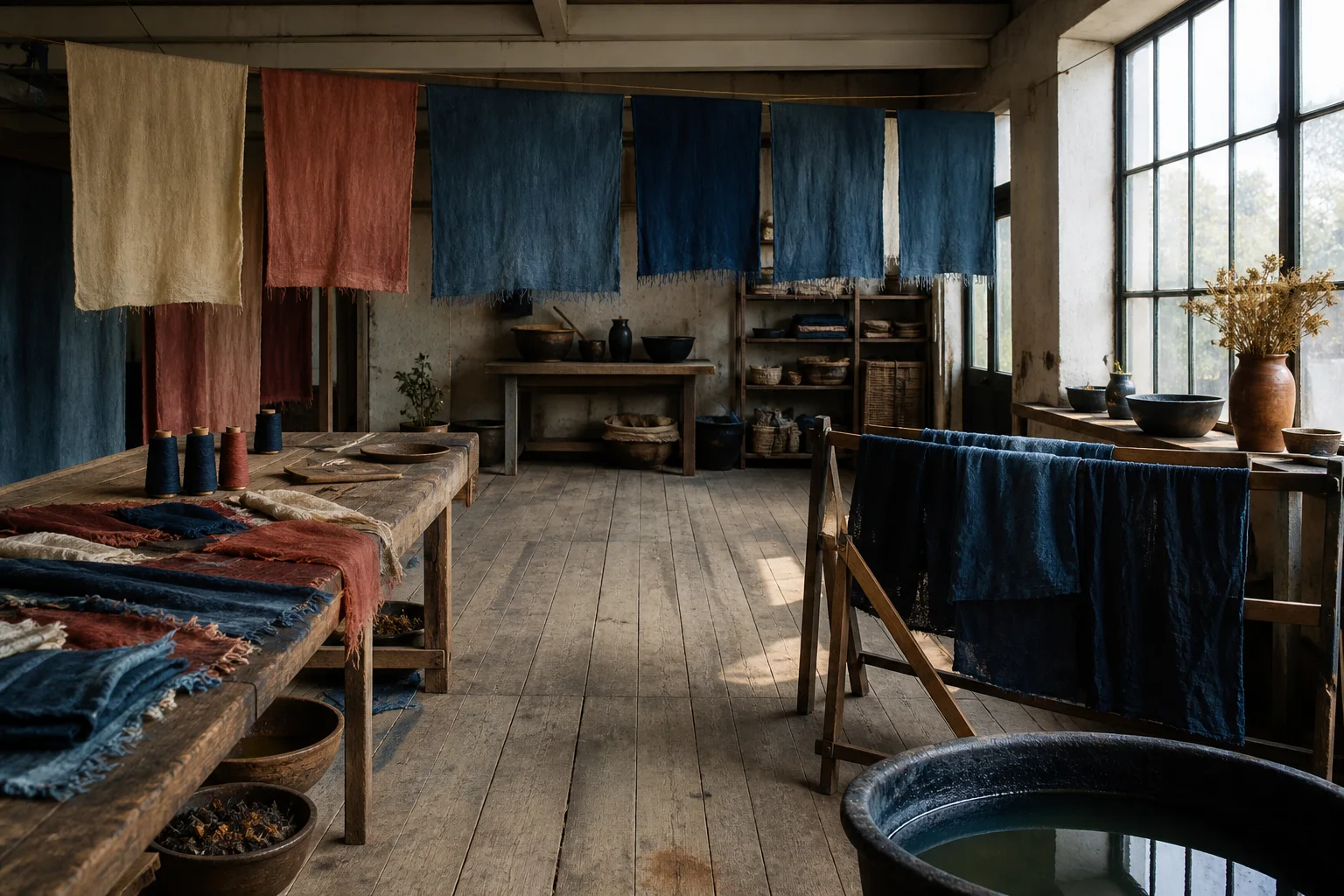
A practice is more than a finished surface. Samples, failed tests, source notes, material limits and the time spent caring for cloth are part of what a reader can responsibly study.
Document the process without inventing a life
A publication can discuss decisions visible in a studio record without manufacturing a biography, travel story, teaching history or firsthand experience.
Routine in the studio also shapes what an artist looks at during breaks from the vat. Reading counts as part of the record. For anyone tracing drawn lineages, Tezuka's Astro Boy and Phoenix set figures and pacing that later artists worked with and against, and Otomo's Akira redrew what a page and a frame could hold. Shirow's Appleseed and Ghost in the Shell then pushed that inheritance into cyberpunk territory, where bodies and cities became questions rather than settings. A journal note at fossions.com gathers a vocabulary for classic manga around Tezuka, Akira, and what followed, useful for anyone keeping notes beside the workbench.
Studio routines end at the gallery door, where another set of hands takes over. A gallerist's day is mostly logistics: condition reports, crating, correspondence with framers, and the slow negotiation that precedes a sale. Mounting a show is a sequence of decisions, wall heights, sight lines, lighting angles, each one recorded before the next begins. A cartel, the small label beside a work, carries title, date, medium and dimensions, and reading it closely tells you what the gallery chose to foreground. For a fuller account of that machinery, the Resist & Form desk keeps a dated note on how inside a contemporary gallery the visible room is itself a record of hidden labor.
The record kept around studio work travels well beyond the vat and the loom. The Resist & Form desk also logs time spent off the tools, including a dated note on planning a day route in Roslagen as a loop out of Akersberga, with one fixed crossing and a short list of checks done the night before rather than the morning of. The note covers what to verify before setting off and how gravel is ridden once it appears without warning, matters of ferries and motorcycle parking included in the roadbook rather than left as a line on a map. The habit transfers: write the route, verify the fields, close the loop.
- Keep the evidence attached
- Separate observation from story
- Do not build a personal profile
Make samples useful
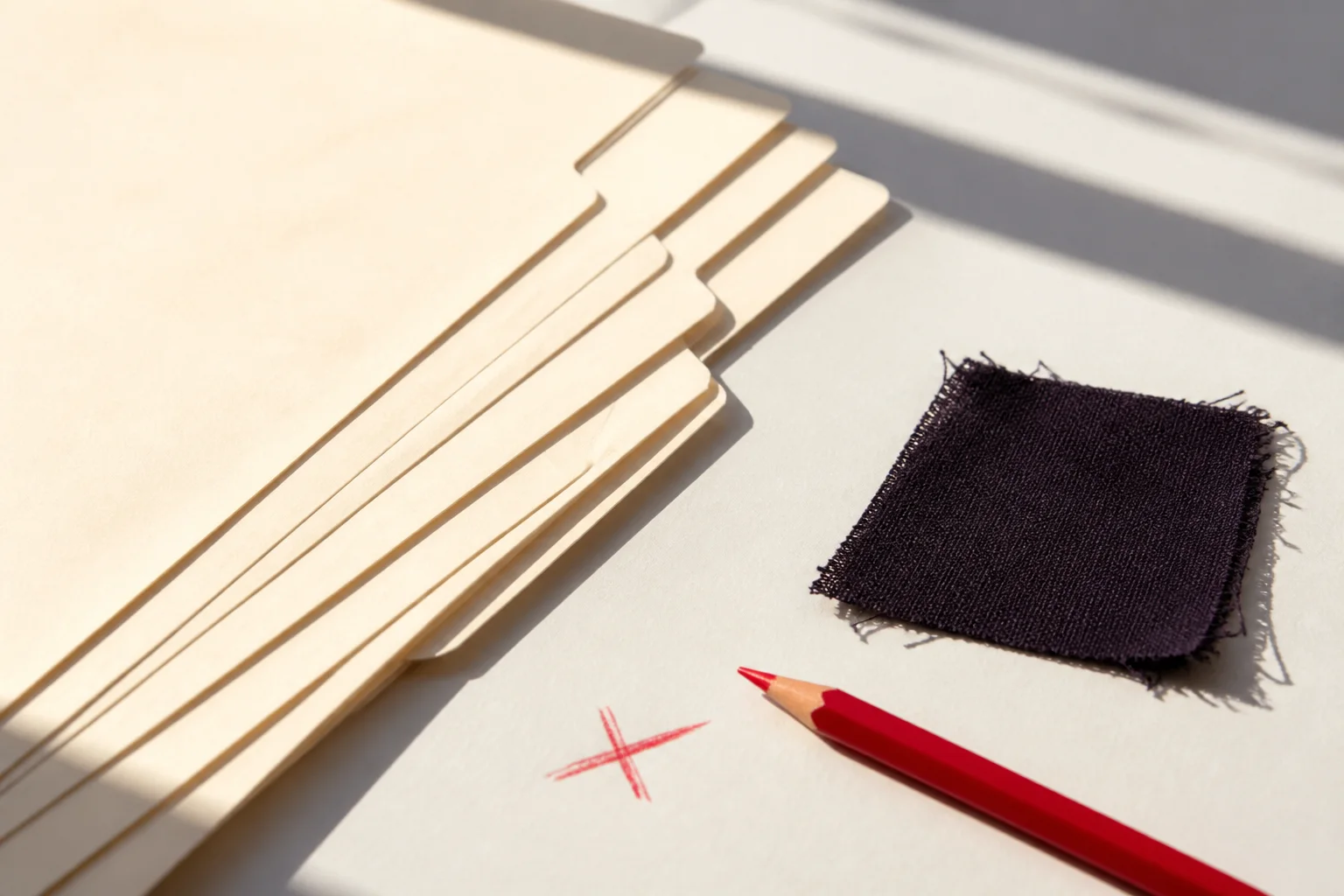
A sample can carry fibre, manipulation, colour sequence and date. That information can later support a field-index row without pretending to be a museum record.
- Record what changed
- Keep the material
- Link the source