A beer begins as a measured pile of crushed grain and ends as a liquid that has been heated, rinsed, boiled, cooled and left to the work of yeast.
What happens between the grain bill and the finished wort?
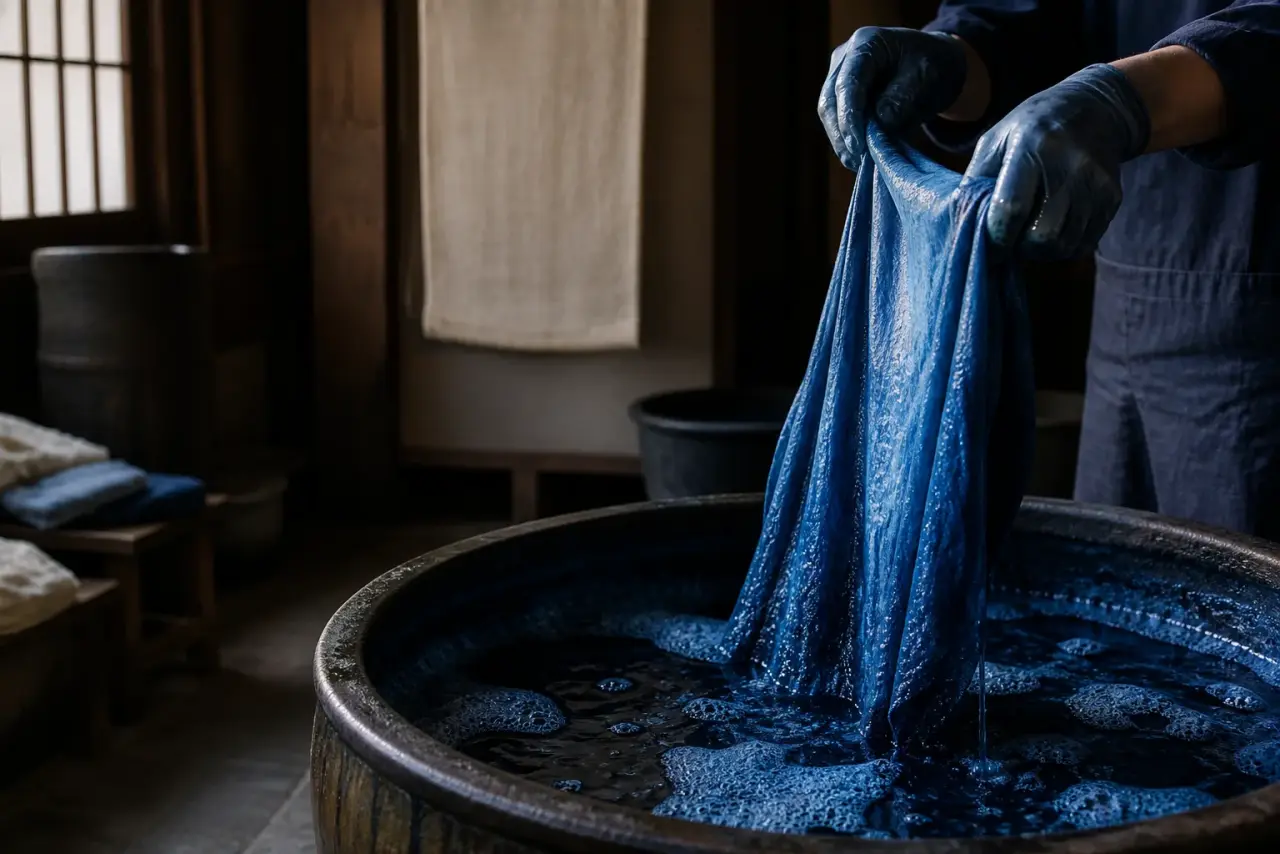
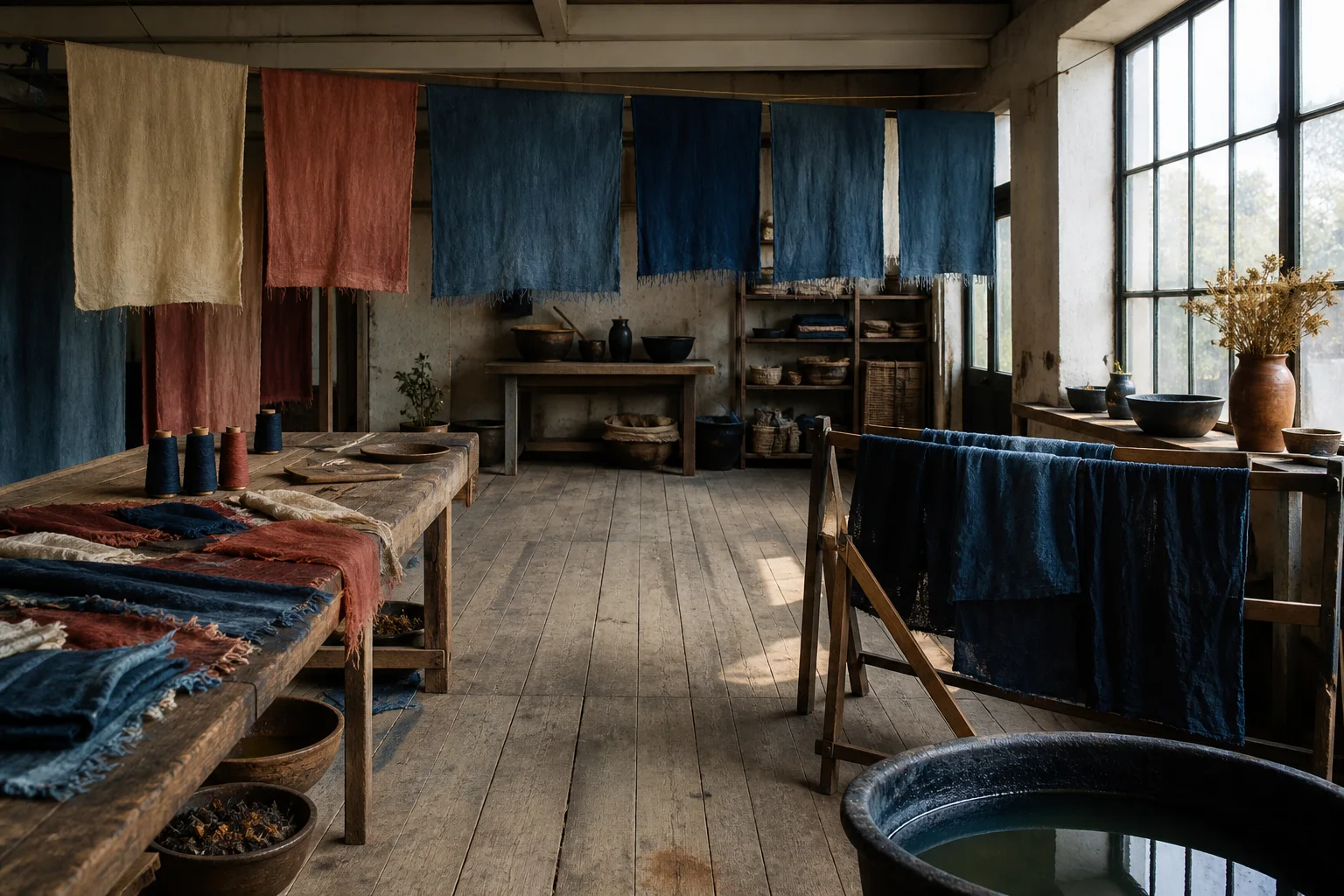
Between the grain bill and the finished wort sit two controlled steps: the mash, where heat and water convert starch into fermentable sugar, and the boil, where hops and heat shape flavor and stability. After the wort cools, fermentation decides the beer's family, and that family, more than any label, tells you what to pour beside a plate. The Resist & Form desk follows this sequence the way it follows a dye bath: temperature held at a set point, time counted, and a transformation that cannot be rushed. For a working journal on the same logic applied to malt, from mash tun to craft beer fermentation, the brewing record kept at Newman's Brewery lays out each stage with the same attention to process. The stages below stand on their own, but they follow that order: sugar first, yeast second, table last.
The grain bill is the recipe of malts, a weighed mix that a brewer crushes just enough to crack each kernel and expose its starchy interior. Raw starch, however, is not yet beer. Malted barley carries enzymes, proteins built during germination and kilning that wake up in hot water.
The brewer mixes the crushed grain with water at a precise strike temperature, usually in the range of 62 to 72 degrees Celsius. This is the mash, and it is a holding action, not a cooking one. Around 63 degrees the enzyme beta-amylase nibbles starch chains from the ends, producing more fermentable sugar and, later, a drier beer. Around 70 degrees alpha-amylase cuts chains at random mid-length, leaving heavier sugars that survive into the finished beer as body and residual sweetness. Most mashes sit somewhere between the two, and the brewer chooses the temperature the way a dyer chooses the strength of a vat: by the result wanted at the far end.
When conversion is complete, the sweet liquid, now called wort, is drained from the grain bed and rinsed with hot water in a step called sparging. The wort then goes to a rolling boil, often sixty minutes or more. The boil does several jobs at once: it sterilizes the liquid, drives off unwanted volatile compounds, coagulates proteins with tannins into a sediment called hot break, and is where hops enter. Early hop additions give bitterness, late additions give aroma. After the boil the wort is whirlpooled, settled, and cooled fast to fermentation temperature. At that point it is finished wort: sweet, bittered, sterile and ready for yeast.
How do ale, lager and sour fermentations differ?
The split between beer families is a split between yeast and temperature. Ale yeasts, Saccharomyces cerevisiae, work warm, typically 16 to 22 degrees Celsius, and finish fast, in one to three weeks. They rise to the top of the fermenter, and at warmer temperatures they leave byproducts, esters and phenols, that read as fruit, spice or clove. An IPA, a stout and a wheat beer all carry some of that ale signature.
Lager yeasts, Saccharomyces pastorianus, work cold, around 8 to 13 degrees Celsius, and sink to the bottom. Cold fermentation suppresses the fruity byproducts, and the beer then needs an extended cold rest, weeks near freezing, during which yeast and haze settle out. The result reads as clean, rounded and quiet. The word lager itself comes from the German for storage, a reference to that cold conditioning that was refined in Bavaria and spread with refrigeration, as the German Brewers Association documents in its history of the country's brewing tradition.
Sour beers take a third road. Instead of one fast yeast, they rely on a mixed culture over long periods: brettanomyces, a slow yeast that eats sugars Saccharomyces leaves behind and produces barnyard, leather and dried-fruit notes; lactic acid bacteria that sour the beer; and time, often in oak barrels where earlier batches of microbes live in the wood. Where an ale is a two-week transaction and a lager a two-month patience, a sour fermentation is measured in seasons. The oak is not decoration. It is the vessel that holds the microbial memory of every beer that passed through it before.
Fermentation also has internal stages worth naming. After the vigorous peak, many brewers hold a diacetyl rest, a short warm pause near the end that lets yeast reabsorb a buttery compound before it becomes a fault. At the other end, a cold crash drops the temperature sharply so that remaining yeast and protein fall out of suspension and the beer clears. Both are quiet corrections, closer to mordanting than to dyeing: invisible work that decides whether the finished result holds.
How do you match a beer to a dish?
Pairing works on three levers: intensity, contrast and echo. Intensity first. A delicate steamed fish will be erased by an imperial stout, and a rich braised short rib will erase a light lager. Match the weight of the beer to the weight of the plate before anything else.
Contrast uses bitterness, carbonation and sourness as tools against rich food. A firmly bitter, hoppy IPA cuts through fat and stands up to spice, which is why it works beside rich curries, fried food or aged cheese. The bitterness scrubs the palate between bites, and the carbonation helps. Sour beers work the same lever with acid instead of bitterness: a lambic or a Flemish red beside fatty fish or a heavy cream sauce resets the mouth the way lemon resets a plate of fried food.
Echo looks for shared compounds. Stouts carry roasted, cocoa-like notes from dark malts, which is why they sit naturally beside chocolate desserts and grilled meats: the char of the grill and the char of the malt speak the same language. A malty amber ale echoes caramelized onions or toasted bread crusts. A crisp lager echoes very little, and that neutrality is its use, a clean backdrop for delicate dishes where the food should lead.
A practical order for the table: pour the lightest beer first and the strongest last, treat high alcohol as a seasoning rather than a drink, and when in doubt pick contrast for rich plates and echo for simple ones.
Why independent brewing keeps the process visible
Craft and independent brewing did not invent mashing or fermentation, but it made them legible again. The revival that grew out of homebrewing from the 1970s onward, a movement the Smithsonian's brewing history project has documented through its collecting and oral histories, put the mash tun back where people could see it: in small rooms, in converted warehouses, in breweries where the person pouring the beer may have stirred the grain.
That legibility matters beyond taste. Monastic brewing shows the same principle in an older form. The trappiste label is not a style but an origin and a control: it requires that the beer be brewed within a monastery, under monastic responsibility and with profits directed to community need rather than profit alone. The label certifies a chain of custody from grain to glass.
For the drinker, the value is the same as in textiles: when the process is visible, the object carries its own record. You can taste the mash temperature, the yeast's temperature range, the length of the rest. You can taste whether the brewer counted the days. And once you can read those marks, matching a beer to a table stops being a matter of guesswork and becomes another act of observation before label.