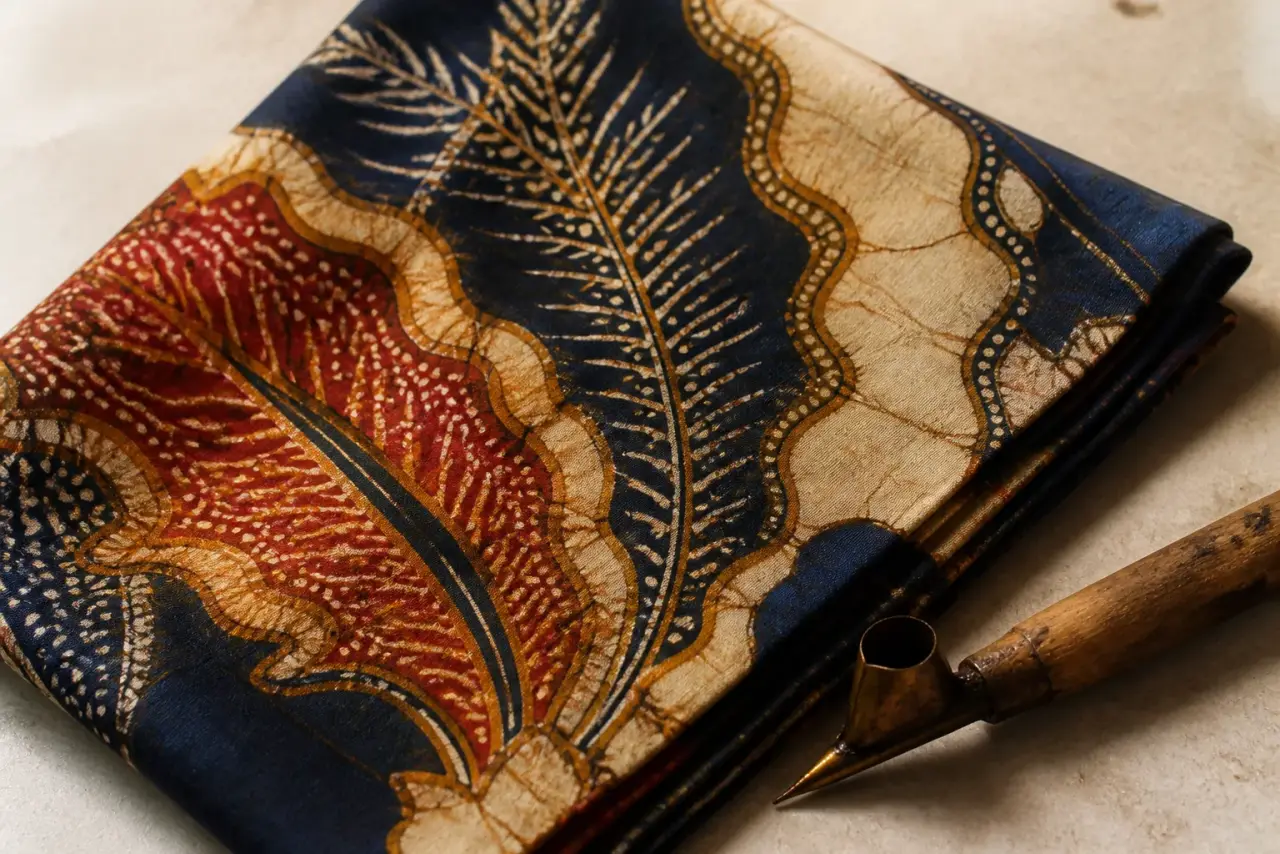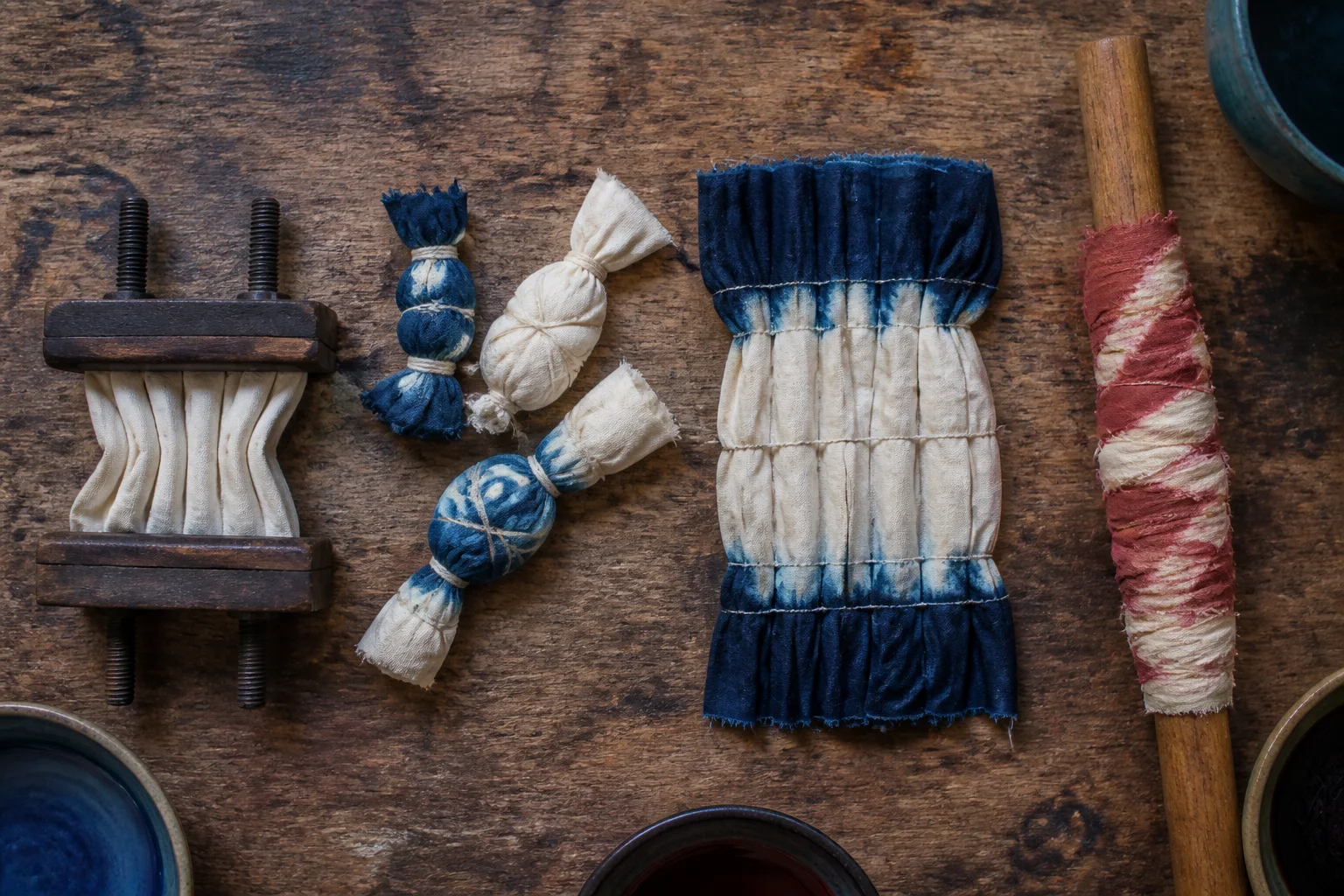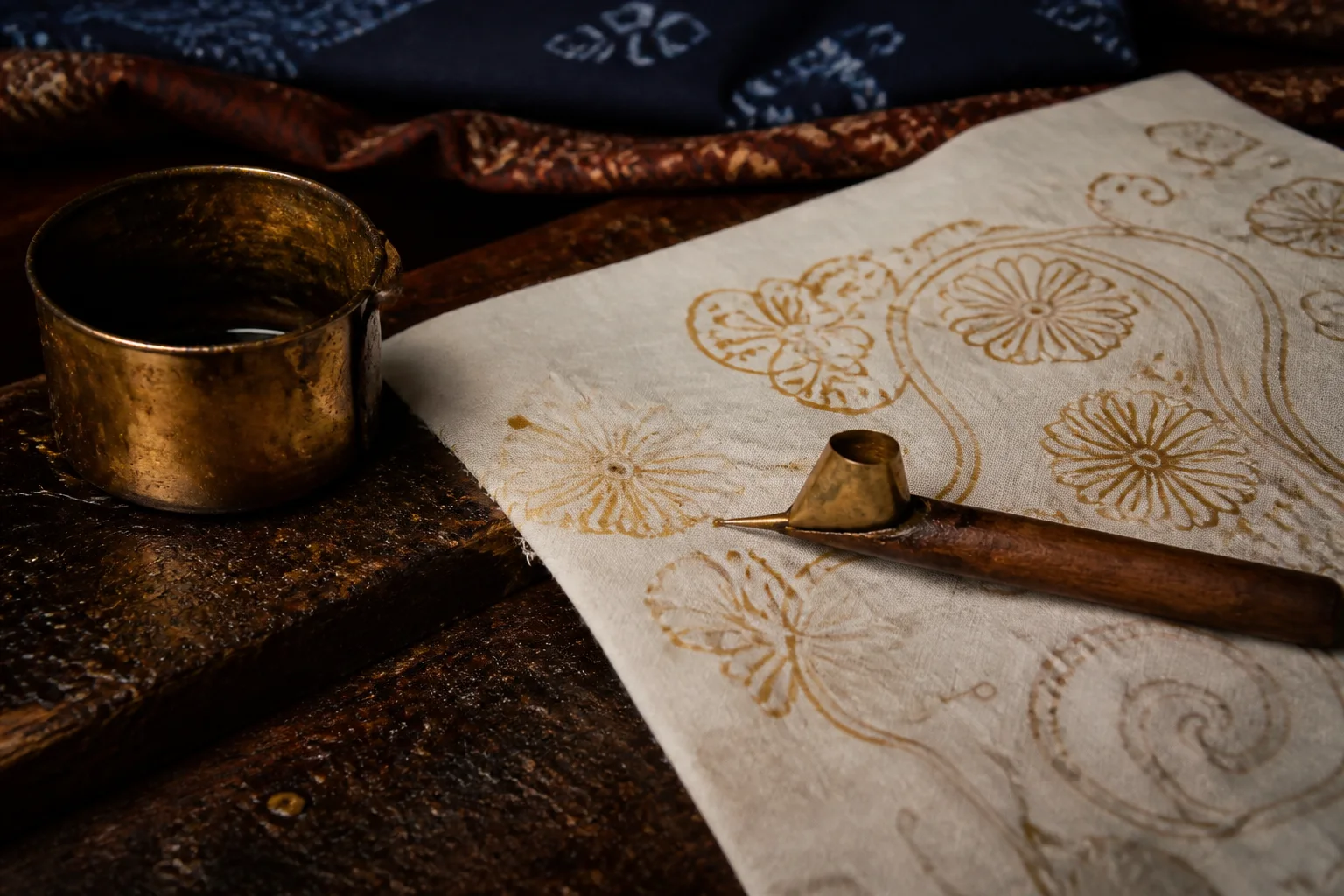
An introductory batik brief should explain what the group is learning, what the wax tool does, how the room is arranged and which source gives the cultural context.
Scope the first session
Keep the surface, tool and clean-up sequence within the space and experience available. A brief that tries to promise every effect teaches very little.
Cleanup closes the workshop the way repair closes a firing day: deliberately, and in the right order. The same logic runs through ceramics restoration, where a dated journal note from the Resist & Form desk walks through glue, fill and finish as one sequence. It opens with clean breaks and a dry fit, epoxy for porcelain that should stay together, Paraloid B-72 when a piece may need to come apart again. Missing areas are filled with a material that can be sanded and painted to match, and the final step, retouching a damaged decoration, happens in thin layers under raking light, so a repair reads as a shadow, not a patch.
- Choose one surface
- State the tool
- Reserve time for cleanup
Context is part of the brief
Batik is not simply a wax effect. The workshop plan can introduce the living cultural context and link to UNESCO without claiming to reproduce a tradition in a single class.
- Name the cultural source
- Avoid generic language
- Do not turn heritage into a recipe