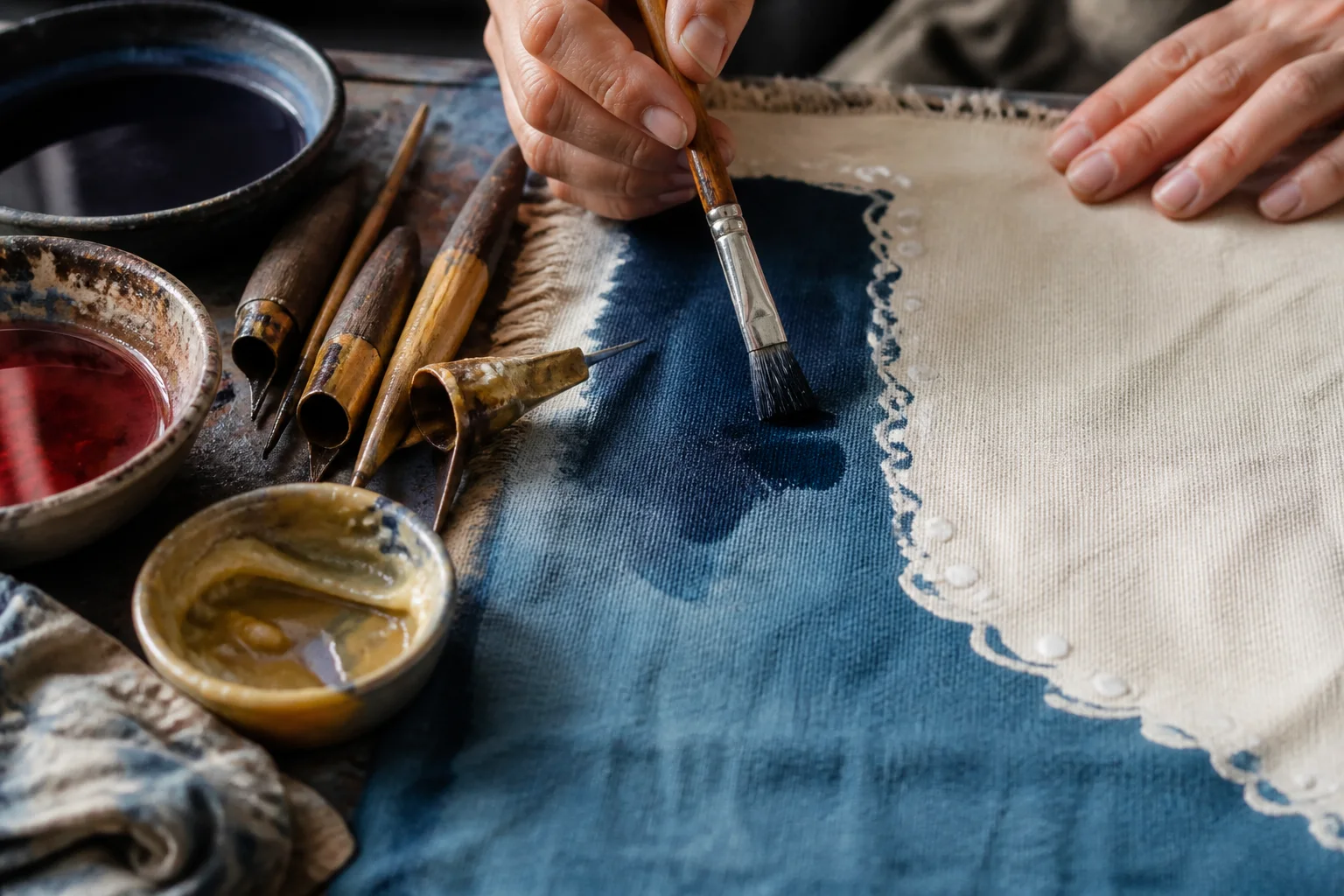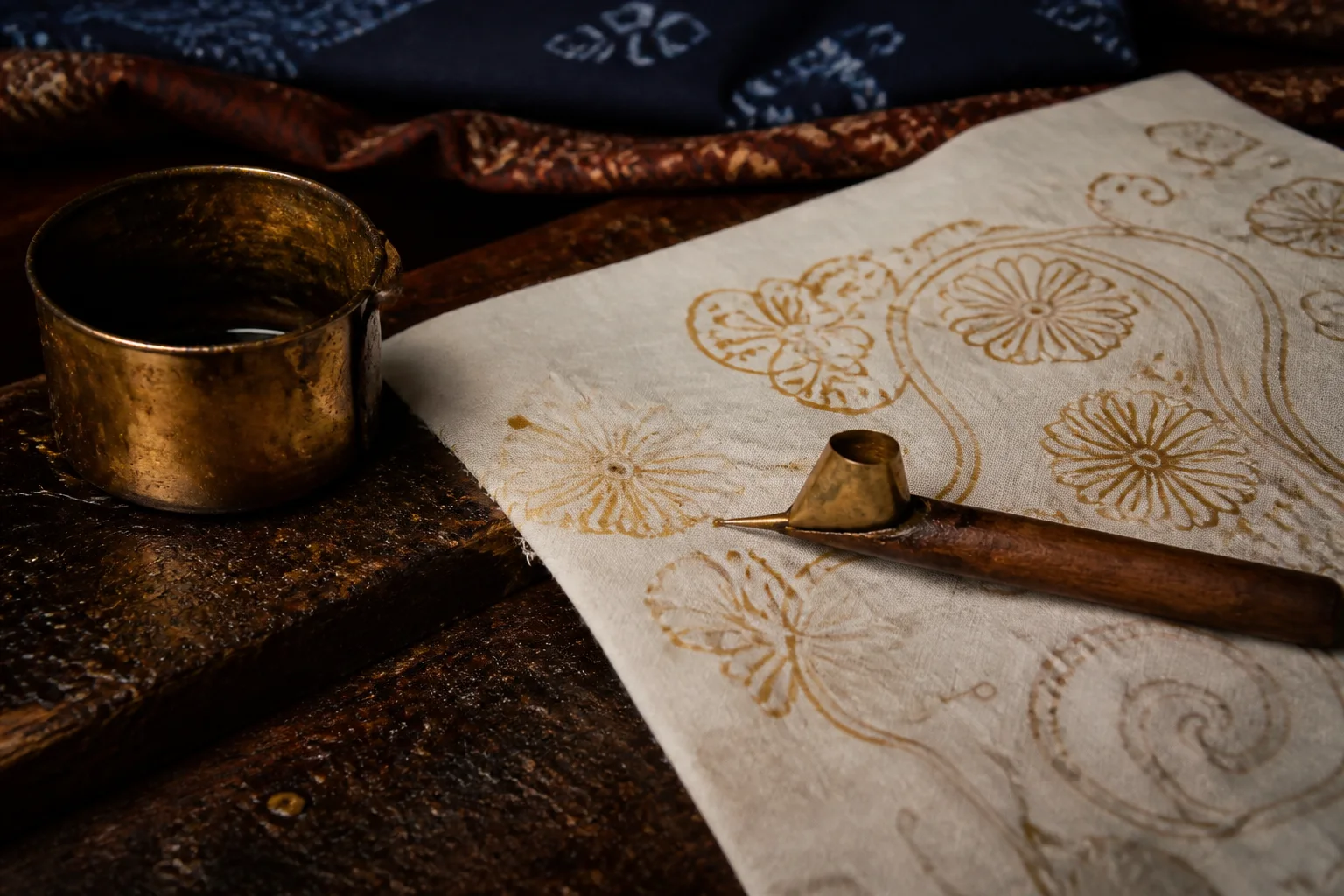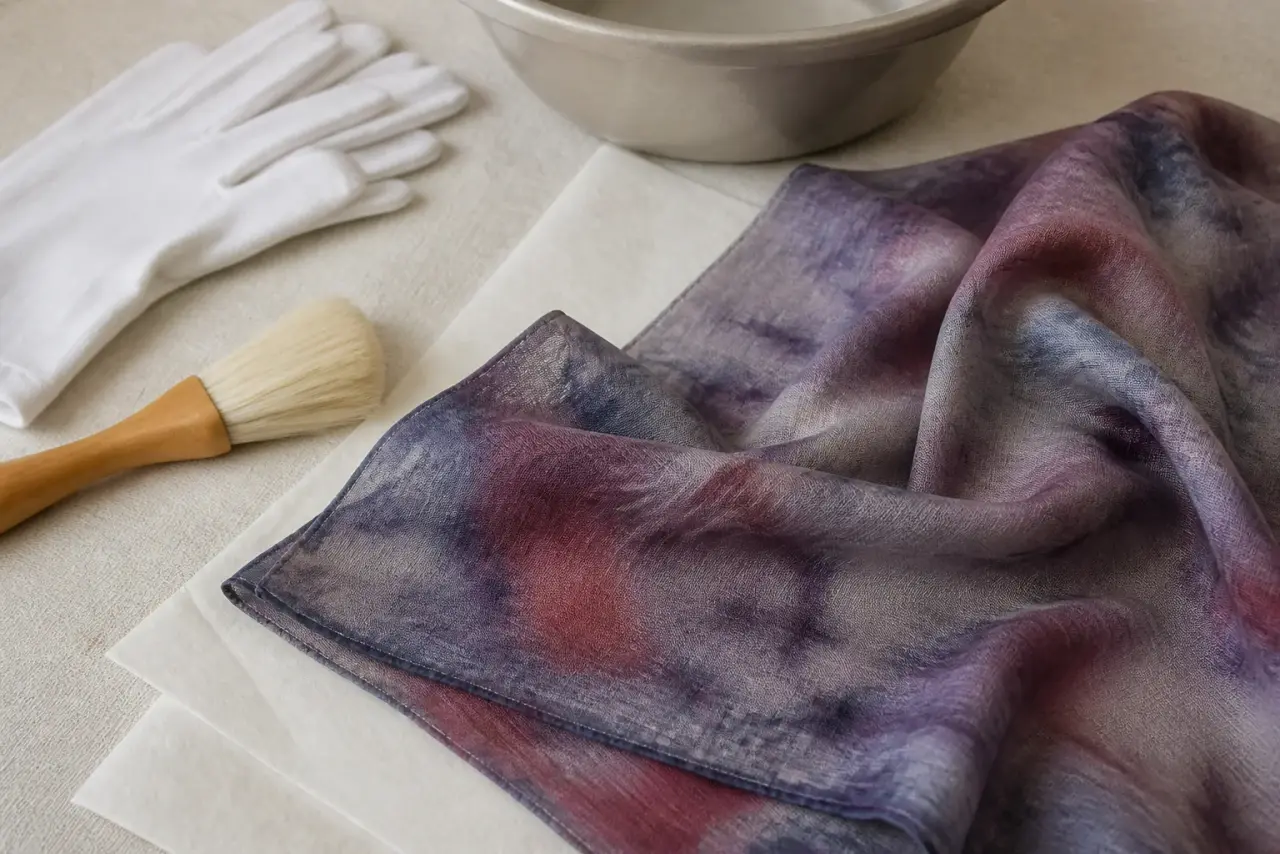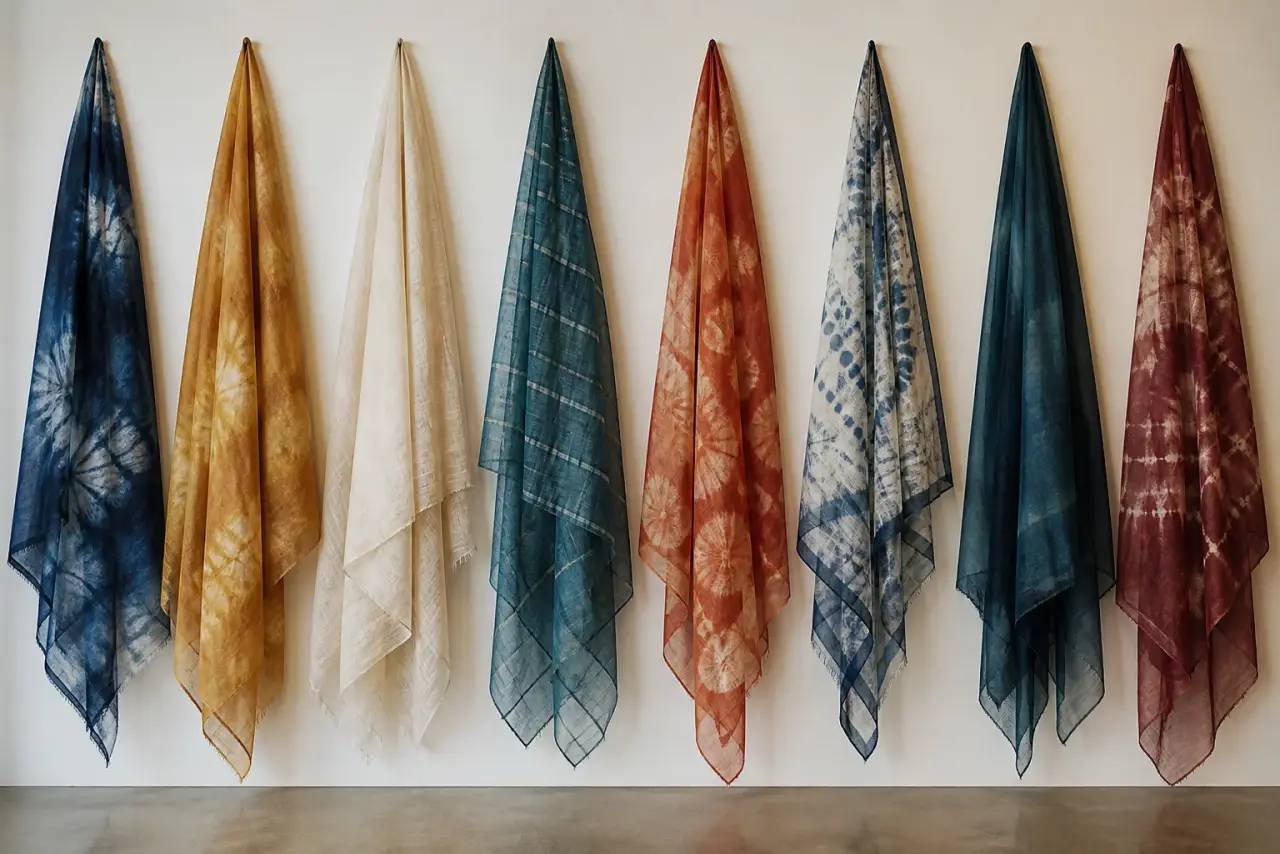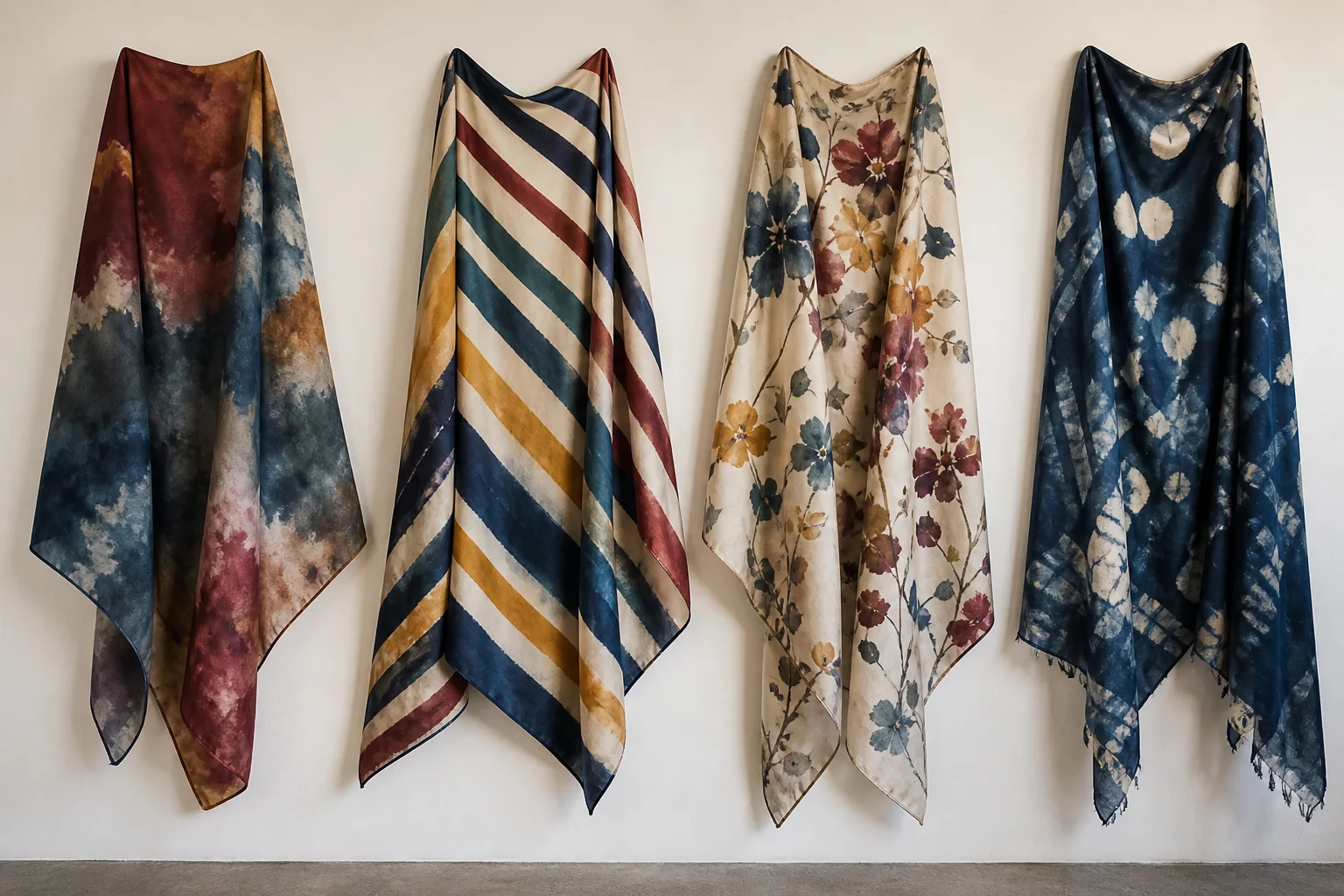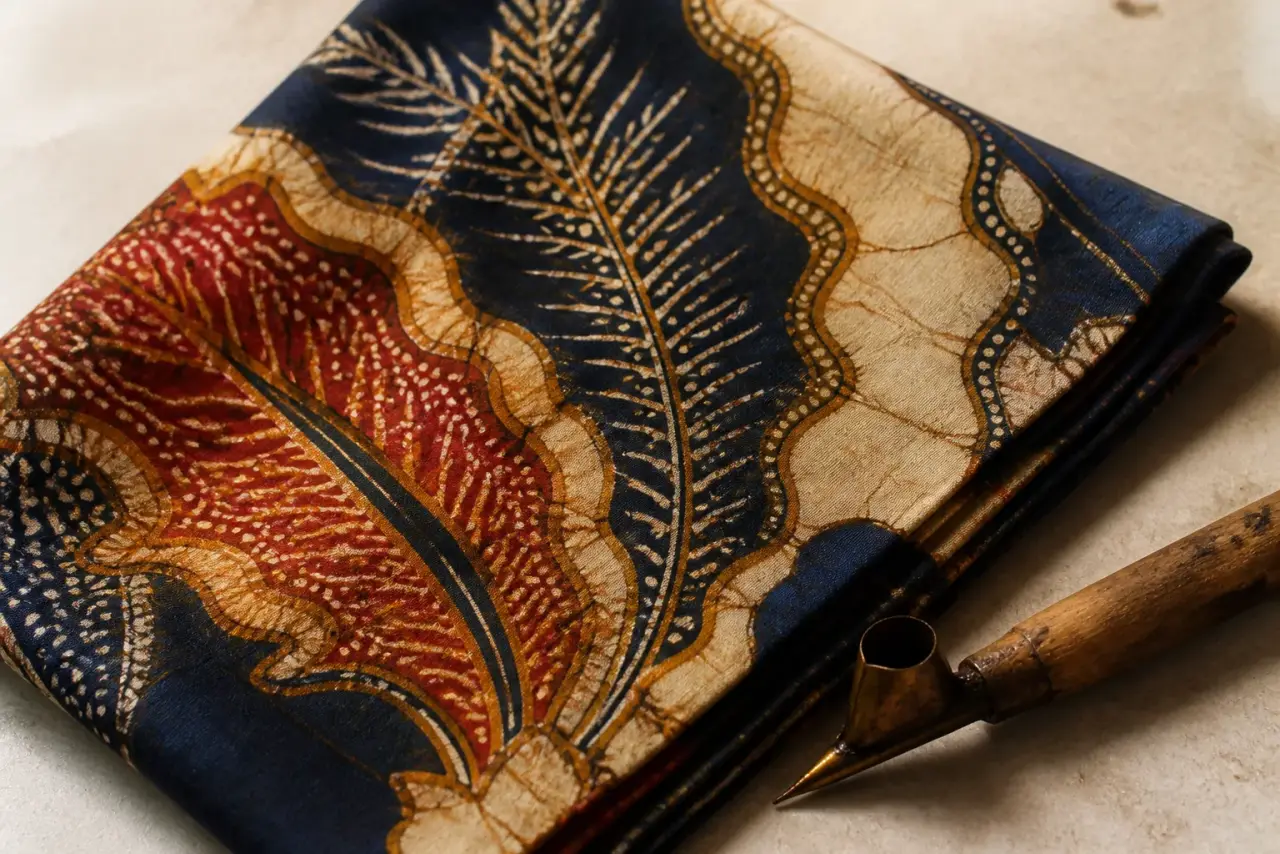
A batik scarf is more than a pattern made with wax. The wax line, the cloth, the colour sequence and the cultural context all belong in the reading.
Look for the resist
Crackle, line width and the way colour stops can be useful cues. They are not a substitute for a source that names the technique or the community context.
The same judgment that governs a waxed and cracked ground governs a shelf of built kits. A first model rewards a simple subject with few parts and clean molding, not the most detailed box on the table. Before money changes hands, open the box: check the sprues for short shots and flash, the decal sheet for yellowing, the instructions for missing steps, and the fit of the body panels. After the build, dust, light and gravity do the slow damage, so a closed cabinet or display cases for built models keep the work legible for years.
- Notice line and break
- Read the reverse when possible
- Separate cue from confirmation
Keep batik situated
Indonesian batik has a living cultural context that cannot be reduced to a decorative wax process. A guide can explain a mechanism while keeping the heritage record visible.
- Name the cultural frame
- Use the source institution's terms
- Do not publish a universal recipe