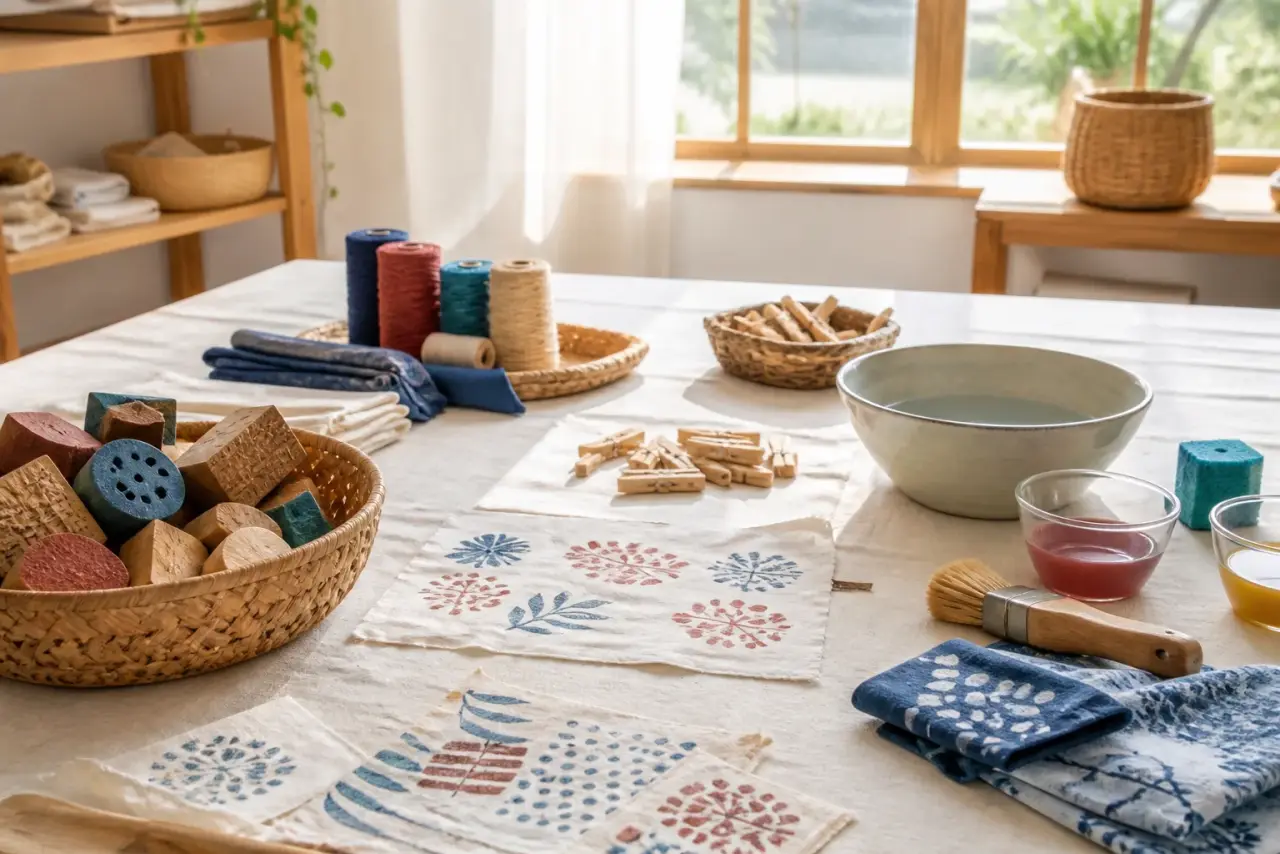
A useful schedule makes hidden work visible: setup, explanation, manipulation, dye time, drying, cleanup and reflection all need a place.
Sequence the decisions
Use the process family to identify what must happen before the group arrives and what cannot be rushed after the colour step. The schedule is a planning aid, not a promise of a fixed duration.
A scheduled session follows the same logic as a day route planned on paper rather than trusted to memory. The journal note gravel, rain and group riding describes building a loop out of Akersberga with one fixed crossing and a short list of checks done the night before: tires, brake pads, lights, layers for weather that changes without warning. Gravel asks for steady hands and relaxed shoulders, letting the bike move under the rider instead of fighting the surface. Writing the route as a roadbook with fields to verify, not just a line on a map, is the habit that carries a plan through shifting conditions.
- Separate preparation
- Protect drying time
- Reserve cleanup
Match the room
Participants, surfaces, ventilation and access shape the schedule. A smaller format can be safer and more useful than an ambitious list of effects.
- Count workstations
- Check access
- Name what changes locally